Table Games That Make Every Match Unique
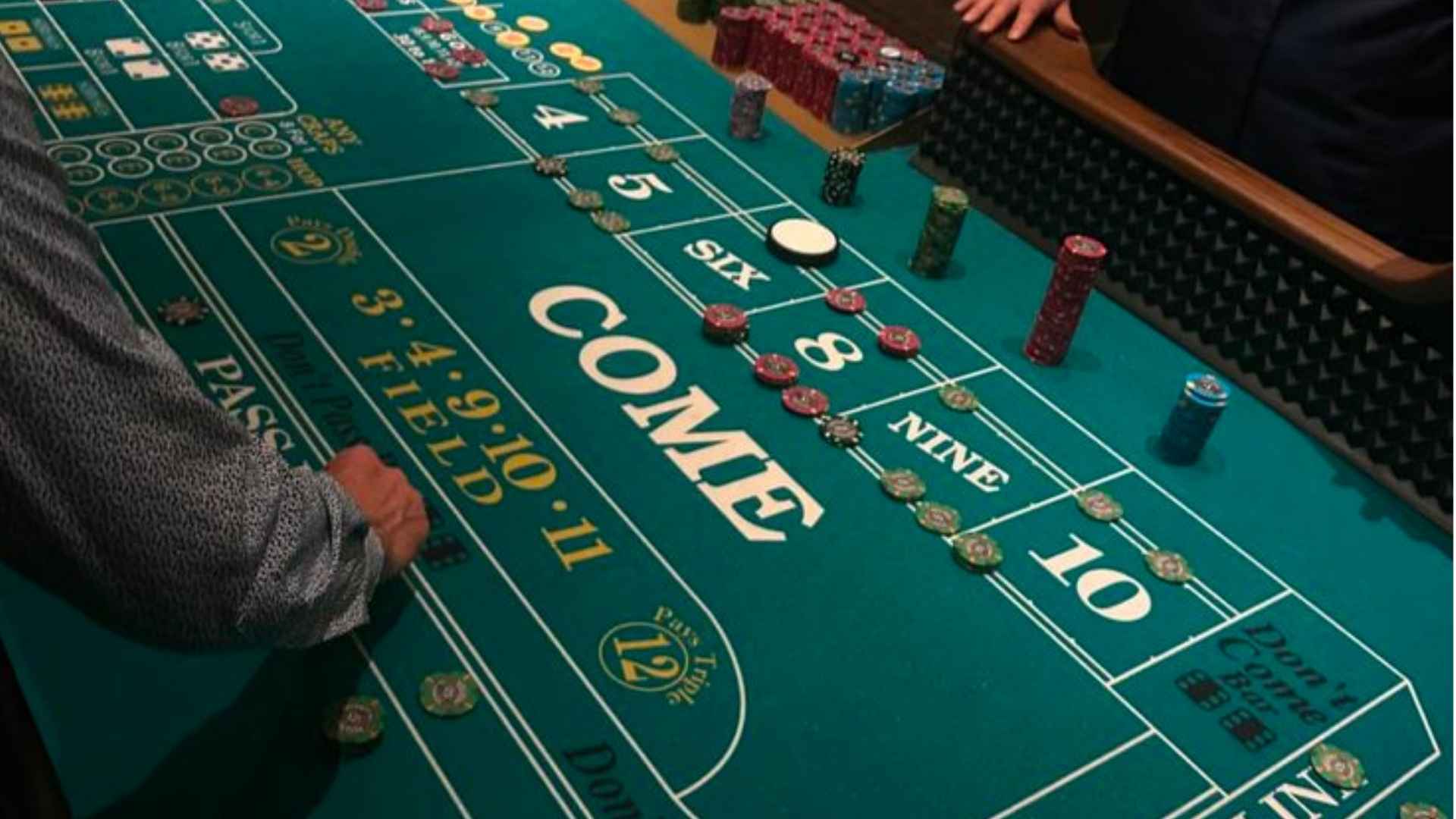
The beauty of classic table games lies in their ability to stay fresh, even after hundreds of plays. While modern video games rely on programmed story paths, classic tabletop options create unpredictable narratives through human interaction and strategic variety. Every shuffle of the deck, roll of the dice, or minor shift in player behavior ensures that no two sessions ever unfold the exact same way.
The Dynamic Power of Hidden Information
Card games like poker and baccarat thrive on the element of secret information, which forces players to constantly adapt their tactics. Because you can never fully know what your opponents hold, your decisions must rely on psychological reading and probability rather than fixed patterns. This uncertainty turns every round into a unique mental battle where adaptability is key to success.
As players adjust their bluffing frequencies and betting patterns, the overall atmosphere of the table shifts completely. A strategy that worked perfectly in one round might lead to a quick defeat in the next if your opponents catch on. Finding a secure platform like the Link M88 Mansion is an excellent way to experience these evolving dynamics firsthand across various skill levels.
How Probability and Physics Intersect
Games like roulette and craps introduce physical variables that make repeating any specific outcome nearly impossible. The minor speed differences in a spinning wheel or the exact angle a pair of dice hits the back wall ensure absolute unpredictability. This chaotic element is what keeps spectators and players alike on the edge of their seats during every single turn.
Even though mathematical probabilities remain constant, the short-term variations can surprise even the most experienced analysts. These physical elements mean that players cannot rely on rigid formulas, requiring them to stay flexible and manage their bankrolls dynamically. The constant tension between calculated risk and pure physical chance ensures a fresh experience with every spin or roll.
The Social Element and Psychological Shifts
Ultimately, the most unpredictable component of any table game is the human element sitting around the layout. Player moods, varying levels of experience, and personal risk tolerances combine to create a highly volatile environment. As alliances shift and competitive rivalries develop, the narrative of the game organically rewrites itself in real time.
This social complexity is why table games have remained incredibly popular across generations and cultures. They serve not just as tests of luck, but as social arenas where communication and observation are just as important as the rules themselves. By embracing this fluid environment, participants can enjoy a deeply satisfying hobby where every single matchup is a brand-new adventure.